



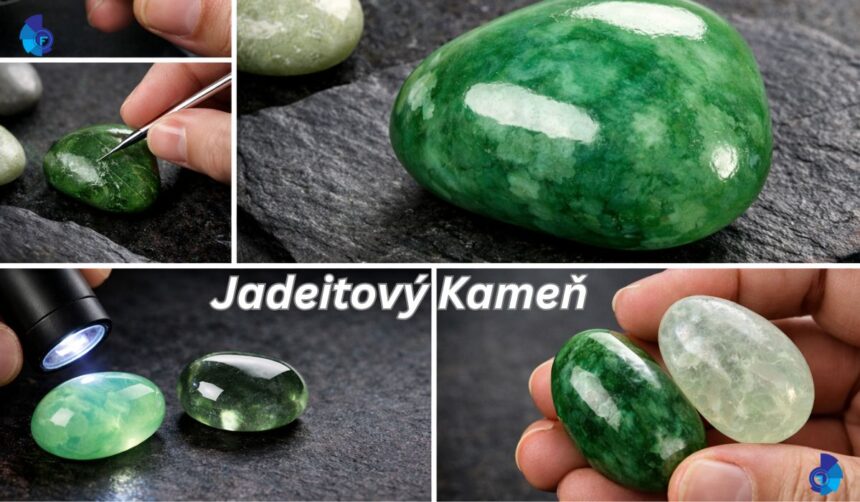
Jade has fascinated people for thousands of years. It has long been valued for its beauty, strength, and deep cultural meaning. Among its many forms, the stone known as Jadeitový Kameň stands out for its rich colors and gemstone quality. Because true jadeite is rare, the market is full of imitations, treated stones, and misleading labels. Many people who buy jade do so with good intentions but later discover they did not receive what they paid for. Knowing how to identify an authentic stone is essential for anyone who wants to choose wisely and avoid disappointment. This article will walk you through how experts distinguish genuine jadeite from look-alike stones, what features matter most, and which common mistakes lead buyers astray.
Understanding What Makes Jadeitový Kameň Special
To identify a real stone, it helps to understand what makes it unique. Jadeite is one of the two minerals known as jade, the other being nephrite. While both are beautiful, jadeite often commands higher value due to its density, clarity, and the intensity of its colors. The variety admired in jewelry and carvings comes from layers of interlocking crystals that create a smooth, almost glowing appearance when polished. These internal structures are not easy to replicate in artificial materials, and once you know what to look for, they can help you recognize authenticity. True jadeite has a depth and texture that cannot be matched by glass or plastic substitutes.
Examining Color With an Expert’s Eye
Color is usually the first thing people notice, and it is also one of the strongest indicators of quality. A genuine stone often shows subtle changes in shade, even within a single piece. These slight variations come from natural mineral distribution and are considered normal. In contrast, fake stones tend to display flat, uniform coloring. Another key sign is the natural vibrancy of an authentic piece. Whether the shade is green, lavender, white, or yellow, real jadeite often has a balanced tone that looks alive rather than painted. If the color appears too intense or unnaturally perfect, it may indicate dyeing or other treatments. Careful observation in natural light helps reveal these clues.
Feeling the Texture and Weight of Real Jade
Touch provides another way to evaluate authenticity. Genuine jadeite has a smooth, almost creamy surface that feels cool in the hand. Its natural density gives it a slightly heavier weight than many imitations. Glass copies may feel similar at first, but they often lack the subtle texture that comes from jadeite’s crystal structure. Plastic stones are noticeably lighter and warm up quickly in your palm. Jewelers sometimes gently tap jade pieces to listen for sound differences. A real stone produces a soft, resonant tone, while fake versions sound dull or hollow. Although this is not a foolproof method, it can be helpful when combined with other observations.
Recognizing Natural Inclusions and Patterns
No genuine stone is completely flawless. Small imperfections are part of what makes natural jadeite unique. These may include faint lines, mineral specks, or wispy cloud-like formations. Experts refer to these as inclusions, and their presence often confirms authenticity. However, the pattern should appear organic rather than mechanical. Glass often shows bubble-like inclusions that are too round or too evenly spaced. Artificial stones may also display patterns that repeat in unnatural ways. When examining a piece closely, a jeweler’s loupe can help reveal these internal details. Understanding how natural inclusions appear makes it easier to separate real jadeite from manufactured materials.
Testing Transparency and Light Behavior
Transparency is another indicator experts use to evaluate a stone’s identity. Genuine jadeite can range from opaque to semi-transparent, with the most sought-after pieces showing a soft, glowing translucence. When light passes through the surface, the effect should be smooth and gentle, not sharp or overly bright. Glass tends to transmit light too clearly, creating a bright halo around the edges. Plastic often looks cloudy or uneven. Placing the stone against a light source reveals these differences quickly. A real piece will show depth even when only a small amount of light penetrates, while imitations lack the layered appearance that jadeite naturally has.
Knowing the Difference Between Treated and Untreated Stones
Many stones in the market are real jadeite but have undergone treatments to improve their color or clarity. These enhancements can make a piece look appealing, but they also reduce its value compared to untreated stones. The most common treatment involves bleaching the stone to remove impurities, then injecting it with polymer to strengthen it. These changes can make the surface look glassy and artificially smooth. Another common enhancement is dyeing, which creates vivid colors that look attractive but unnatural. Professionals can usually detect these changes under magnification or through laboratory testing. Understanding that not all jadeite is equal helps buyers make informed decisions.
Avoiding Common Mistakes When Buying Jade
Many mistakes happen because buyers rely too much on appearance alone. One of the most common errors is assuming a deep green color automatically means high-quality jadeite. While vibrant green is prized, natural stones rarely achieve the kind of intense shade that dyed versions display. Another mistake is trusting labels without confirmation. Some sellers misuse the word “jade,” applying it to stones that share only a passing resemblance. A further mistake is overlooking subtle signs of treatment, such as an overly glossy finish or a sticky feel from polymer filling. Being aware of these pitfalls helps prevent misunderstandings and costly choices.
Comparing Jadeitový Kameň With Common Imitations
Knowing what usually replaces real jadeite makes identification easier. One popular substitute is serpentine, a softer stone with similar coloring but lacking jadeite’s firmness. When scratched, serpentine often leaves visible marks, while true jadeite resists surface damage. Another frequent imitation is quartz, which may resemble jade in color but feels different in density and polish. Glass is also widely used and is easier to identify once you learn its characteristics, such as consistent coloring and air bubbles. By understanding how these materials behave, you gain confidence when evaluating any stone that claims to be jadeite.
When to Seek Professional Verification
Even if you learn to recognize many signs of authenticity, certain stones require professional assessment. High-value pieces, especially those with fine translucence or rare colors, are often evaluated by certified gemologists. These specialists use tools that measure density, refractive properties, and internal structures. Their testing can confirm whether a stone is untreated, enhanced, or synthetic. For buyers who want complete certainty, a laboratory report offers peace of mind. It also adds credibility and resale value if the stone becomes part of a collection. Trustworthy sellers usually have no issue providing such documentation upon request.
Understanding Value Beyond Authenticity
Authenticity is essential, but it is not the only factor that determines value. The quality of the carving, the craftsmanship of jewelry settings, and the stone’s natural beauty all play significant roles. Even a genuine piece may vary dramatically in price depending on its clarity, translucence, and cultural significance. Some buyers choose stones based on personal meaning rather than market value. Others appreciate the history connected to jadeite in cultures where it symbolizes strength, harmony, or spiritual balance. Knowing what matters most to you helps guide your choices and ensures that your purchase feels meaningful.
Caring for the Stone to Preserve Its Natural Beauty
Once you acquire an authentic piece, proper care helps maintain its appearance. Jadeite is strong, but it can still be damaged by harsh chemicals or sudden temperature changes. Cleaning it gently with mild soap and water keeps the surface clear without causing harm. Storing the stone separately in a soft pouch prevents scratches from harder materials. Regular inspection helps identify any chips or changes in color, especially if the stone has been treated. Caring for your jade properly enhances its longevity and keeps it looking as beautiful as the day you acquired it.
Final Thoughts
Understanding how to identify a genuine Jadeitový Kameň empowers you to appreciate its beauty with confidence. Authentic jadeite carries a natural depth, texture, and glow that imitations cannot match. By learning how experts examine color, weight, transparency, and internal patterns, you become better equipped to recognize the hallmarks of a true stone. Avoiding common mistakes and knowing when to seek professional verification ensures that your purchase reflects real value. Whether you are collecting jade, buying jewelry, or simply appreciating the meaning behind the stone, this knowledge helps you make choices that are informed, thoughtful, and aligned with your intentions.
Frequently Asked Questions
1. What is the difference between jadeite and nephrite?
Although both are known as jade, jadeite is typically harder, denser, and valued for its bright colors. Nephrite is softer and often appears in creamy whites or darker greens. Both are beautiful, but they are distinct minerals.
2. How can I tell if a stone has been dyed?
Dye often settles into surface cracks or shows intense, unnatural coloring. Examining the stone in bright light or with magnification can reveal areas where the dye has collected.
3. Why does real jadeite feel cool to the touch?
Its density and crystal structure allow it to hold temperature longer than materials like plastic or glass. This cool feeling is one of the subtle signs experts look for.
4. Are treated stones considered fake?
No, treated stones are still real jadeite, but enhancements change their value. They require more care and are usually priced lower than untreated pieces.
5. Can jadeite be completely transparent?
True transparency is rare, but high-quality pieces may appear semi-transparent with a soft glow. Most stones fall somewhere between opaque and translucent.
6. Is it possible to identify authenticity without tools?
Basic signs like weight, color variation, and texture can offer clues, but laboratory testing provides the most accurate confirmation, especially for valuable pieces.
7. Why do bubbles inside a stone indicate it is probably fake?
Round bubbles usually form in glass during manufacturing. Natural jadeite does not develop air bubbles, so their presence strongly suggests an imitation.
For More: fogmagazine.co.uk