



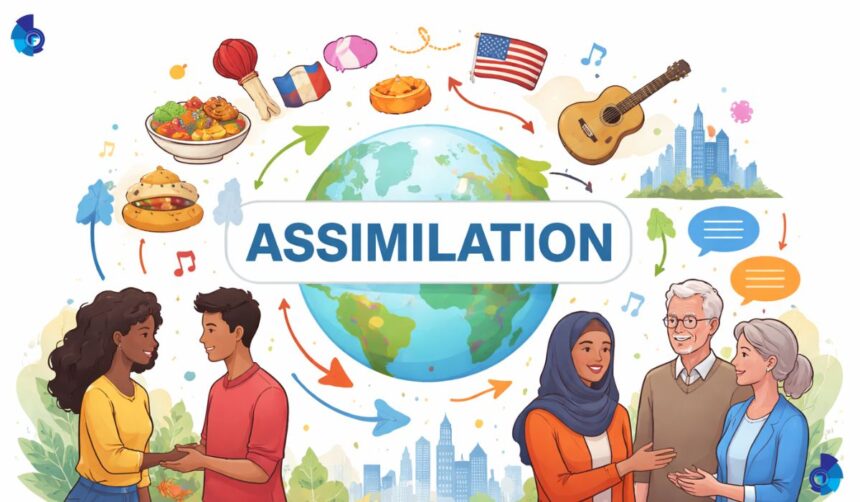
Assimilation is one of the most influential forces shaping the way societies grow, adapt, and interact. Whenever people move to new regions, encounter new traditions, or participate in unfamiliar communities, some level of adaptation naturally occurs. Over time, these exchanges create new cultural patterns, shared behaviors, and common forms of identity. Understanding assimilation helps explain not only how individuals adjust to new surroundings, but also how entire societies evolve through interaction and change. It is a process influenced by history, migration, economics, communication, and human relationships. Because of these factors, assimilation remains an important subject for people who want to understand how cultures blend and how communities learn to live together.
How Assimilation Works in Everyday Life
Assimilation often begins in subtle ways long before anyone notices it happening. A person might learn a new language to communicate more easily or adopt certain customs out of curiosity or necessity. Over time, these small adjustments can grow into broader shifts in behavior and identity. Communities also experience similar changes. When groups interact frequently, they exchange ideas, values, and traditions. These exchanges can influence everything from food and music to beliefs and social expectations. Although assimilation can take different paths, at its core it reflects a natural human tendency to adapt to new environments and to build shared understanding with others.
Cultural Change Across Generations
One of the most noticeable aspects of assimilation appears across generations. The first generation of newcomers often holds tightly to the traditions they grew up with, valuing familiar languages, customs, and beliefs. The second generation typically grows up balancing the culture of their home with the culture of the society around them. By the third generation, many habits and traditions from the past may blend seamlessly with new influences or may fade as individuals adopt practices they consider more relevant to their lives. This gradual shift shows how cultural change does not happen instantly but results from steady adaptation over long periods of time.
The Role of Language in Cultural Blending
Language is one of the most powerful elements in the assimilation process. It serves as a bridge that helps people understand one another and participate fully in community life. When people adopt a new language, they often gain access to better opportunities, stronger relationships, and more meaningful connections to society. At the same time, maintaining original languages can preserve cultural identity and family ties. Many communities today navigate both pathways, speaking one language at home and another in public or professional settings. This flexible approach shows how language can be both a symbol of heritage and a tool of integration.
Identity and the Search for Belonging
Assimilation also touches on deeper emotional and personal experiences. People naturally want to feel accepted, understood, and valued within their communities. When someone arrives in a new social environment, they may adjust how they speak, dress, or interact in order to fit in. These changes can create a sense of belonging but can also raise questions about what parts of identity should be preserved or changed. The search for balance is often shaped by family expectations, social pressures, and personal goals. For many, assimilation becomes a lifelong journey of learning how to honor their roots while embracing new experiences.
Cultural Exchange and Mutual Influence
Assimilation is never a one-direction process. While individuals may adopt practices from the wider community, the receiving society also absorbs new ideas and traditions from them. This reciprocal exchange can be seen in the rise of global cuisines, music styles, art forms, and social practices that blend influences from multiple cultures. Consider how holidays evolve, how neighborhoods develop distinct cultural identities, or how fashion trends draw inspiration from around the world. These examples show that assimilation contributes to a more diverse and dynamic society where both newcomers and long-established communities influence one another.
Structural Opportunities and Social Environment
The speed and direction of assimilation often depend on the environment surrounding individuals and groups. Access to education, employment, and social networks can make it easier for someone to adapt to new systems and become part of local life. In contrast, barriers such as discrimination or economic limitations can slow assimilation and make it harder for people to feel connected. Communities that offer open pathways, inclusive spaces, and equal opportunities typically experience smoother cultural blending. This demonstrates how social structures can either support or challenge the process of adaptation.
Voluntary vs. Involuntary Assimilation
There is an important difference between choosing to assimilate and being forced to assimilate. Voluntary assimilation occurs when individuals genuinely want to learn, participate, and adapt to new surroundings. They may value new opportunities, friendships, and cultural experiences, and they willingly take steps to blend into the broader society. Involuntary assimilation, however, occurs when people feel pressured to abandon their traditions or identity in order to be accepted. This type of assimilation can create long-term emotional and cultural tensions. Understanding this distinction emphasizes the importance of respecting individual choices and ensuring that cultural blending remains a natural, supportive process.
Technology and Modern Forms of Cultural Blending
Digital communication has transformed the way assimilation occurs. People today interact across cultures faster than ever before. Social media, entertainment, international news, and digital communities expose individuals to new languages, values, and lifestyles daily. As a result, many elements of culture blend instantly through shared content and global conversations. At the same time, technology helps people maintain their original cultural connections by allowing them to communicate with family, share traditions online, and stay rooted even while living far from home. This dual effect shows how modern life supports both adaptation and preservation.
Social Identity and Collective Change
Groups that experience assimilation often redefine their collective identity over time. Communities may shift their views, reorganize traditions, or modify rituals as they adapt to new environments. Some changes happen intentionally, while others emerge gradually through everyday interaction. In many cases, communities blend elements from multiple cultural backgrounds to create new shared practices. These blended identities reflect the evolving nature of culture itself and demonstrate how collective experiences shape future generations.
Challenges and Misunderstandings
Despite its benefits, assimilation can bring challenges. Misunderstandings may arise when cultural expectations differ or when individuals feel conflicted between old and new identities. Some people may fear losing their heritage, while others may struggle to understand unfamiliar customs. These feelings are natural and can be addressed through open dialogue, education, and community support. The goal is not to erase differences but to build understanding and respect among diverse groups. When communities approach assimilation with empathy, the process becomes smoother and more meaningful for everyone involved.
Benefits for Individuals and Societies
Over time, assimilation can create stronger, more connected societies. Individuals often gain access to opportunities that help them thrive, including education, employment, and social networks. Communities benefit as well, enjoying greater cultural richness, creativity, and innovation. Blended societies often develop unique traditions that reflect both past and present influences. These shared experiences help create stability, cooperation, and mutual respect. When practiced naturally and respectfully, assimilation enhances the strength and resilience of a community.
The Ongoing Nature of Cultural Blending
Assimilation is not a fixed event but a continuous process. As societies change, new forms of adaptation emerge. Cultural blending can shift with economic trends, technological advancements, global movements, and generational perspectives. What remains constant is the human ability to learn from one another and to shape identity in response to new experiences. This ongoing nature makes assimilation both a personal journey and a collective story that evolves with time.
Final Thoughts
Assimilation reveals how cultures, identities, and societies interact through everyday life. It affects how people learn, communicate, and connect, and it shapes the ways communities change over generations. When individuals encounter new environments, they often adapt in ways that help them feel included and understood. At the same time, their presence influences and enriches the society around them. This mutual exchange shows that cultural blending is both natural and beneficial when approached with openness and respect. By understanding assimilation as an evolving process, people gain a clearer view of how human relationships, traditions, and shared identities continue to expand and transform.
Frequently Asked Questions
1. What does assimilation mean in a cultural context?
It refers to the process through which individuals or groups adapt to a new cultural environment by adopting certain behaviors, traditions, or social norms found in the wider society. The degree of adaptation varies based on personal choice, environment, and generational change.
2. Is assimilation the same as losing one’s culture?
Not necessarily. While some people gradually adopt new customs, many continue to preserve important aspects of their heritage. Assimilation often involves blending cultures rather than replacing one with another.
3. Why is language important in assimilation?
Language allows people to communicate effectively, access opportunities, and participate fully in community life. Learning a new language can support adaptation, while maintaining a native language connects individuals to their cultural roots.
4. What challenges can people face during assimilation?
Challenges may include identity conflicts, misunderstandings, or pressure to conform. Emotional and social adjustments take time, and individuals often navigate different expectations at home and in public.
5. How does assimilation affect future generations?
Each generation adapts differently. Children and grandchildren of newcomers may blend traditions naturally, often balancing both their family heritage and the society around them.
6. Does assimilation only happen after migration?
No. Assimilation can occur through education, media, technology, or cultural exchange even without physical relocation. People adapt when exposed to new ideas, lifestyles, or communities.
7. Can societies benefit from assimilation?
Yes. Cultural blending often contributes to innovation, creativity, stronger relationships, and greater social understanding. Both individuals and communities gain from the exchange of ideas and experiences.
For More: fogmagazine.co.uk