



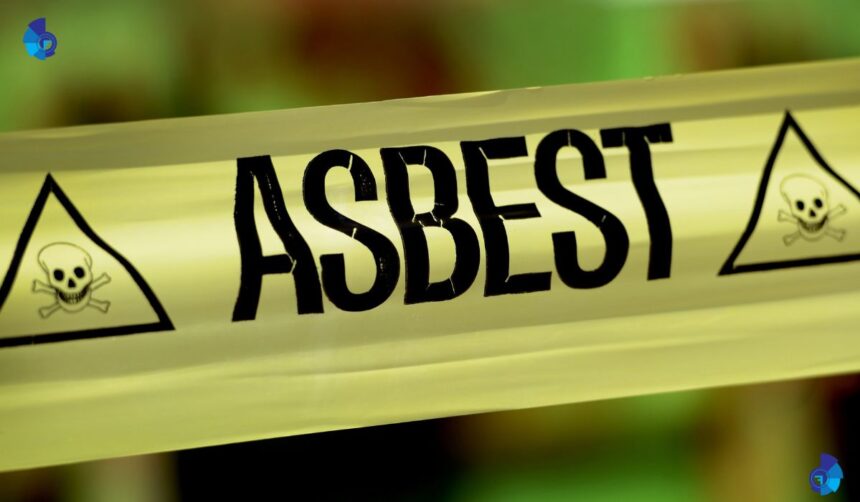
Asbestlint is a type of asbestos-containing material that has been widely used in construction and manufacturing for decades. While it may appear harmless at first glance, it poses significant health risks that are often overlooked. Understanding what asbestlint is, how it can affect health, and the precautions needed to handle it safely is crucial for homeowners, workers, and anyone who may come into contact with older buildings. This article will provide a comprehensive overview, helping you make informed decisions and stay safe.
What Is Asbestlint?
Asbestlint is a fibrous material that was commonly used in insulation, sealants, and other building components. Its popularity came from its durability, fire-resistant properties, and affordability. Over time, however, it became clear that the microscopic fibers in asbestlint could be extremely dangerous if inhaled. Unlike materials that are easily seen or felt, these fibers are tiny and can become airborne without notice, making exposure particularly hazardous.
How Asbestlint Exposure Occurs
Exposure to asbestlint typically occurs when the material is disturbed. Renovation work, drilling, sanding, or accidental damage to surfaces containing asbestlint can release fibers into the air. Inhaling these fibers allows them to reach deep into the lungs, where they can cause long-term damage. Even brief exposure in poorly ventilated areas can be dangerous, which is why handling any materials suspected of containing asbestlint requires strict precautions.
The Long-Term Health Risks
The health risks of asbestlint are severe and often develop many years after exposure. One of the most serious concerns is asbestosis, a chronic lung disease that leads to scarring of lung tissue and difficulty breathing. Another major risk is mesothelioma, a rare but aggressive cancer that primarily affects the lining of the lungs and chest cavity. Lung cancer is also associated with prolonged exposure. Symptoms often take decades to appear, making early detection difficult and reinforcing the importance of prevention.
Recognizing Asbestlint in Your Environment
Identifying asbestlint is not straightforward, as it is often hidden within walls, ceilings, insulation, or old flooring. Professionals can test materials safely, but there are some signs to watch for. Older homes or industrial buildings constructed before the 1980s are more likely to contain asbestlint. Visual clues such as deteriorating insulation, crumbly sealant, or dust that seems unusually fibrous may indicate its presence. However, it is essential not to disturb the material in an attempt to inspect it closely.
Safe Handling and Removal Practices
Handling asbestlint requires specialized knowledge and protective equipment. Professionals use respirators, gloves, and protective clothing to prevent fiber inhalation. The material is often sealed or wetted to reduce dust during removal, and strict regulations guide how it is transported and disposed of. Attempting to remove asbestlint without proper training can significantly increase the risk of exposure and long-term health problems.
Regulatory Measures and Guidelines
Many countries have implemented regulations to manage asbestos-containing materials, including asbestlint. These regulations typically cover identification, removal, and disposal procedures to protect workers and the public. In some regions, even minor disturbances of asbestlint require notification to local authorities or professional oversight. Compliance with these guidelines is essential to ensure safety and avoid legal consequences.
Why Asbestlint Is Still a Concern Today
Despite bans and stricter regulations, asbestlint remains a concern in older buildings and industrial sites. Its fibers can persist for decades without breaking down, meaning that exposure risk continues long after the material was installed. Renovation projects, natural wear and tear, or accidental damage can release fibers into the air, making awareness and careful management crucial even in modern times.
Preventing Exposure at Home and Work
Preventing asbestlint exposure begins with awareness and cautious behavior. Avoid disturbing materials that may contain asbestos, and hire certified professionals for testing and removal. Regular inspections of older buildings can help identify potential hazards before they become serious. For workplaces that still use older equipment or structures containing asbestlint, proper ventilation, protective gear, and training programs are essential to maintain safety standards.
Health Monitoring After Exposure
Individuals who suspect they have been exposed to asbestlint should seek medical guidance. Regular lung function tests and imaging can help detect early signs of asbestosis or other respiratory conditions. While there is no cure for some asbestos-related diseases, early monitoring can improve management of symptoms and overall quality of life. Open communication with healthcare providers about potential exposure is a key step in long-term health management.
Misconceptions About Asbestlint
A common misconception is that asbestlint is only dangerous when visibly damaged. In reality, even intact materials can release fibers over time, particularly if they are disturbed. Another myth is that brief exposure is harmless. Even short-term contact can pose risks depending on fiber concentration and duration. Understanding the realities of asbestlint helps prevent complacency and ensures that safety measures are taken seriously.
The Role of Professional Expertise
Professional expertise is vital in managing asbestlint safely. Certified asbestos removal specialists have the training, equipment, and legal knowledge required to handle materials without putting themselves or others at risk. DIY removal attempts are strongly discouraged due to the high likelihood of accidental fiber release. Professionals not only remove the hazard but also provide documentation to verify that the area is safe for future use.
Innovations and Safer Alternatives
With growing awareness of health risks, safer alternatives have largely replaced asbestos-containing materials in construction and manufacturing. Modern insulation, sealants, and fireproofing solutions use synthetic or natural fibers that provide similar benefits without the associated dangers. Retrofitting older buildings with these alternatives can reduce exposure risk while improving overall safety and environmental standards.
Living Safely Around Asbestlint
For those living or working near older structures, safety is achievable through vigilance and responsible practices. Avoid direct contact with potential asbestos-containing materials, keep areas well-ventilated, and hire professionals for testing or removal. Maintaining clear communication about hazards and following established safety protocols ensures that daily life can continue with minimal risk. Awareness and precaution remain the most effective tools against exposure.
Final Thoughts
Asbestlint may be hidden in plain sight, but its risks are significant and long-lasting. Understanding what it is, how it affects health, and the proper methods for handling it can save lives. Prevention, professional intervention, and informed decision-making are essential to minimizing exposure. By taking proactive steps and remaining vigilant, individuals can protect themselves and others from the hidden dangers of asbestlint.
Frequently Asked Questions (FAQs)
1. What is asbestlint made of?
Asbestlint is made from fibrous minerals that were mixed with binding agents to create a durable, fire-resistant material. These fibers are microscopic and can become airborne, making them hazardous if inhaled.
2. How can I tell if my home contains asbestlint?
Buildings constructed before the 1980s are more likely to contain asbestlint. Signs include deteriorating insulation, old sealants, or unusual fibrous dust. Professional testing is the safest way to confirm its presence.
3. Is short-term exposure dangerous?
Yes, even brief exposure can be harmful depending on the concentration of fibers. Any contact with disturbed asbestlint should be taken seriously, and precautions should be followed.
4. Can I remove asbestlint myself?
Removing asbestlint without proper training and equipment is highly dangerous. Certified professionals are trained to handle, remove, and dispose of it safely. DIY attempts can increase the risk of inhalation.
5. What diseases are caused by asbestlint exposure?
Prolonged exposure can lead to asbestosis, mesothelioma, and lung cancer. Symptoms often develop many years after exposure, which is why early prevention and monitoring are crucial.
6. How is asbestlint safely removed?
Professionals use protective clothing, respirators, and controlled removal techniques. The material is often wetted to prevent dust, and strict disposal procedures are followed to ensure safety.
7. Are there safer alternatives to asbestlint?
Yes, modern construction uses non-asbestos insulation, sealants, and fireproofing materials. These alternatives offer similar benefits without the health risks associated with asbestos fibers.
For More: fogmagazine.co.uk