



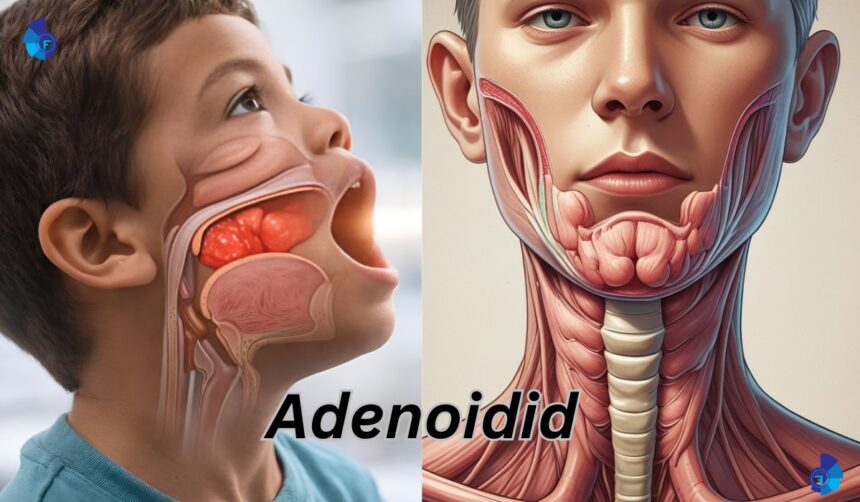
Adenoidid is a health condition that many people hear about only after symptoms start affecting daily life, especially breathing, sleep, or frequent infections. It is closely related to inflammation of the adenoids, which are small but important tissues located behind the nose. Although often associated with children, this condition can also affect adults under certain circumstances. Because the symptoms can overlap with common colds, allergies, or throat infections, adenoidid is sometimes overlooked or misunderstood. This article explains what adenoidid is, why it develops, how it affects the body, and when medical care becomes necessary. The goal is to provide clear, practical information that helps readers understand the condition without confusion or unnecessary medical jargon.
What Are Adenoids and Why They Matter
Adenoids are part of the immune system and play a role during early childhood by helping the body fight germs that enter through the nose. They sit high in the throat, behind the nasal cavity, and are not visible through the mouth. In young children, adenoids are relatively large because the immune system is still developing. As people grow older, these tissues usually shrink and become less active. When adenoids become irritated or swollen due to infection or repeated exposure to bacteria and viruses, inflammation can develop. This inflammatory state is what leads to adenoidid and the symptoms associated with it.
Understanding Adenoidid in Simple Terms
Adenoidid refers to inflammation or infection of the adenoid tissue. This inflammation can be short-term, known as acute inflammation, or long-lasting, known as chronic inflammation. Acute cases often occur after viral or bacterial infections, such as colds or sinus infections. Chronic cases develop when the adenoids remain enlarged or irritated over time, often due to repeated infections or ongoing nasal problems. When the adenoids swell, they can block airflow through the nose, leading to breathing difficulties, especially during sleep. This blockage explains many of the common signs people experience.
Common Causes Behind Adenoidid
The most frequent cause of adenoid inflammation is infection. Viruses responsible for colds and flu can trigger swelling, while bacterial infections may lead to more severe or prolonged symptoms. Allergies also play a role, as constant nasal irritation can keep the adenoids inflamed. Environmental factors, such as exposure to smoke or air pollution, may worsen the condition by irritating the upper airway. In children, frequent contact with other children increases exposure to germs, making repeated infections more likely. In adults, chronic sinus problems or weakened immune responses can contribute to persistent adenoid issues.
How Adenoidid Affects Breathing and Sleep
One of the most noticeable effects of adenoidid is difficulty breathing through the nose. Swollen adenoids reduce the space in the nasal passage, forcing individuals to breathe through the mouth. Mouth breathing can lead to dry lips, sore throat, and poor sleep quality. During sleep, the blockage may cause loud snoring or brief pauses in breathing. Over time, poor sleep can affect energy levels, mood, and concentration. In children, disturbed sleep may impact growth, learning, and behavior, making early recognition important.
Signs and Symptoms to Watch For
Symptoms of adenoid inflammation can vary depending on age and severity. Common signs include a constantly blocked or runny nose, nasal-sounding speech, and difficulty breathing through the nose. Ear-related issues, such as frequent ear infections or a feeling of pressure, may also occur because the adenoids sit near the tubes that connect the ears to the throat. Some people experience persistent bad breath due to trapped bacteria. In more severe cases, facial discomfort, headaches, or recurring throat infections may develop, signaling that the condition requires attention.
Adenoidid in Children Versus Adults
While adenoid problems are more common in children, adults are not immune. In children, the adenoids are naturally larger, which makes swelling more noticeable and problematic. Pediatric cases often present with frequent infections, snoring, or changes in speech. Adults typically experience adenoid-related inflammation due to chronic sinus infections, allergies, or immune system issues. Because adenoids usually shrink with age, persistent symptoms in adults may require closer evaluation to rule out other nasal or throat conditions.
How Doctors Diagnose Adenoidid
Diagnosis usually begins with a review of symptoms and medical history. Doctors often look for patterns, such as frequent infections or ongoing nasal blockage. A physical examination of the nose and throat may provide clues, though adenoids themselves are not easily visible. In some cases, imaging tests or a small camera inserted through the nose may be used to assess the size and condition of the adenoids. Hearing tests might also be recommended, especially for children with recurring ear problems. The goal of diagnosis is to confirm inflammation and rule out other possible causes.
Treatment Options and Management
Treatment depends on the severity and duration of symptoms. Mild cases may improve with rest, hydration, and medications that reduce inflammation or fight infection. Nasal sprays and allergy treatments can help control symptoms linked to allergic reactions. When infections are bacterial, antibiotics may be prescribed for a limited period. Chronic or severe cases may not respond well to medication alone. In such situations, doctors may discuss surgical removal of the adenoids, especially if breathing or hearing is affected. This decision is usually made after careful consideration of benefits and risks.
When Adenoid Removal Is Considered
Surgical removal of the adenoids, known as adenoidectomy, is typically considered when symptoms persist despite treatment. This option is more common in children who experience repeated infections, sleep disruption, or hearing problems. The procedure is generally safe and often improves breathing and sleep quality. Recovery is usually quick, with most patients returning to normal activities within a short time. For adults, surgery is less common but may be recommended if chronic inflammation affects quality of life or causes complications.
Possible Complications if Left Untreated
Ignoring long-term adenoid inflammation can lead to complications. Ongoing nasal blockage may cause facial growth changes in children due to constant mouth breathing. Repeated ear infections can result in hearing difficulties, which may affect speech development and learning. Chronic infections may spread to nearby areas, leading to sinus or middle ear issues. Sleep disturbances can also contribute to daytime fatigue and reduced overall well-being. Recognizing symptoms early and seeking appropriate care helps prevent these outcomes.
When to See a Doctor
Medical advice should be sought when symptoms last longer than expected or interfere with daily life. Persistent nasal blockage, frequent infections, difficulty sleeping, or hearing problems are signs that professional evaluation is needed. Parents should pay close attention to changes in a child’s sleep patterns, speech, or behavior, as these may indicate underlying issues. Early consultation allows for accurate diagnosis and timely treatment, reducing the risk of complications.
Living Well After Treatment
Most people experience significant improvement once adenoid inflammation is properly managed. Breathing becomes easier, sleep quality improves, and the frequency of infections often decreases. Maintaining good nasal hygiene, managing allergies, and avoiding environmental irritants can support long-term health. Regular follow-ups may be recommended for children to monitor growth and development. With appropriate care, individuals can return to normal routines without ongoing discomfort.
Final Thoughts
Adenoidid is a condition that can quietly affect breathing, sleep, and overall comfort, particularly in children but also in adults. Understanding its causes, symptoms, and treatment options empowers individuals and families to take action before complications arise. While mild cases may resolve with simple care, persistent symptoms deserve medical attention. Clear communication with healthcare providers and timely treatment play a key role in maintaining respiratory health and quality of life.
Frequently Asked Questions (FAQs)
1. What is adenoidid, and how does it start?
Adenoidid begins when the adenoids become inflamed due to infection, allergies, or repeated irritation. This inflammation causes swelling, which can block airflow and lead to symptoms such as nasal congestion and mouth breathing.
2. Is adenoidid only a childhood condition?
Although more common in children, adults can also experience adenoid inflammation. In adults, it is often linked to chronic sinus problems, allergies, or immune system issues rather than normal childhood infections.
3. Can adenoidid go away without treatment?
Mild cases may improve on their own, especially when caused by short-term viral infections. However, persistent or recurring symptoms often require medical evaluation to prevent complications.
4. How does adenoidid affect sleep quality?
Swollen adenoids can block nasal passages, leading to mouth breathing, snoring, or disrupted sleep. Poor sleep may result in daytime fatigue, mood changes, or difficulty concentrating.
5. Are medications always effective for adenoidid?
Medications can help reduce inflammation and treat infections, but they may not resolve chronic cases. If symptoms continue despite treatment, further medical options may be discussed.
6. When is surgery considered necessary?
Surgery is considered when ongoing symptoms interfere with breathing, sleep, or hearing and do not improve with medical treatment. The decision is based on individual needs and overall health.
7. What steps can help prevent recurring adenoid problems?
Managing allergies, maintaining good hygiene, avoiding smoke exposure, and treating infections promptly can reduce the risk of recurring inflammation and support long-term respiratory health.
For More: fogmagazine.co.uk